.png)
cajon percussion
A cajon is a simple box drum which is made from thin plywood which acts as the front playing surface of the instrument. To start with the historical part of it, the cajon is part of Afro Peruvian music which is said to have originated from peru., where African drums used by slaves had been forbiden by the colonialists. During the 16th century, slaves would make the cajon from old packing crates and use them to replace african native drums. Overturned wooden boxes were also used . Later the cajon was added as an instrument of vals carillo and was used to play folk kind of music of the peru.
As time moved on, the cajon developed, and additional improvements were added to the original box drum. Some of the improvements made include, addition of internal wires which made the instrument produce a snare sound. many snare systems have developed since then. Modern cajons have got adjustable snare sounds,the bass is adjustable and pickups are installed in some drums which help in amplification of sound produced. The spirit of cajon builds up the spirit of music mainly because one is allowed to bang a simple beat and the beat is then easily built in to more complex patterns.
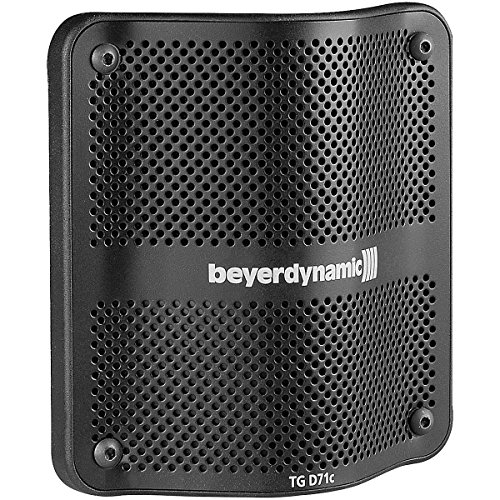
Recent developments made on the cajon are said to have been made by one man by the name, Paco de Lucia who was a flamenco renown guitar player. At a party hosted in Peruvian, he asked Ruben Danta who was his former percussionist to play the 'Bularia' one of the rhythms used in flamenco using the cajon. Flamenco music comprise of several different rhythms of which are played by a guitar player by just hiting the guitar's body. Short staccato sounds that can be produced by the cajon makes it a perfect instrument for playing flamenco music bearing in mind that the sound produced clearly relates with the hand claps and footwork used in flamenco.
The Cajon migrated from initial Peru to Spain and since then, it has spread all over the world. As compared to flamenco and Peruvian cajons, cajons used in Afro Cuban music and especially rumba are shaped differently. In this case, the shape is between a cajon and a conga, and handling is different since they are held between the knees of the player.
The rumba yambu is the slowest of the other three variations of rumba of which is played by three cajon players. Since introduction of the snare, this instrument became similar to the sound produced by drum sets. Musicians that use drum sets to perform their popular music often appreciated the soft caustic settings of the cajon. Nowadays you can find improvement of cajon such as use of jingle sticks or brushes to produce a great sound.
Up to date improvements are still being added to the cajon percussion. New designs come with re-purposed piano, guitar strings and drum snares that add a wonderful 'snare' effect. In the most recent improvements, tambourines have been re purposed on the top left and right corner for a wonderful 'clacking' effect.